

In today's fast-paced, visually saturated world, modern art lovers are increasingly drawn to the simplicity and bold statements of contemporary art. But what is it about this style that captivates audiences so thoroughly?
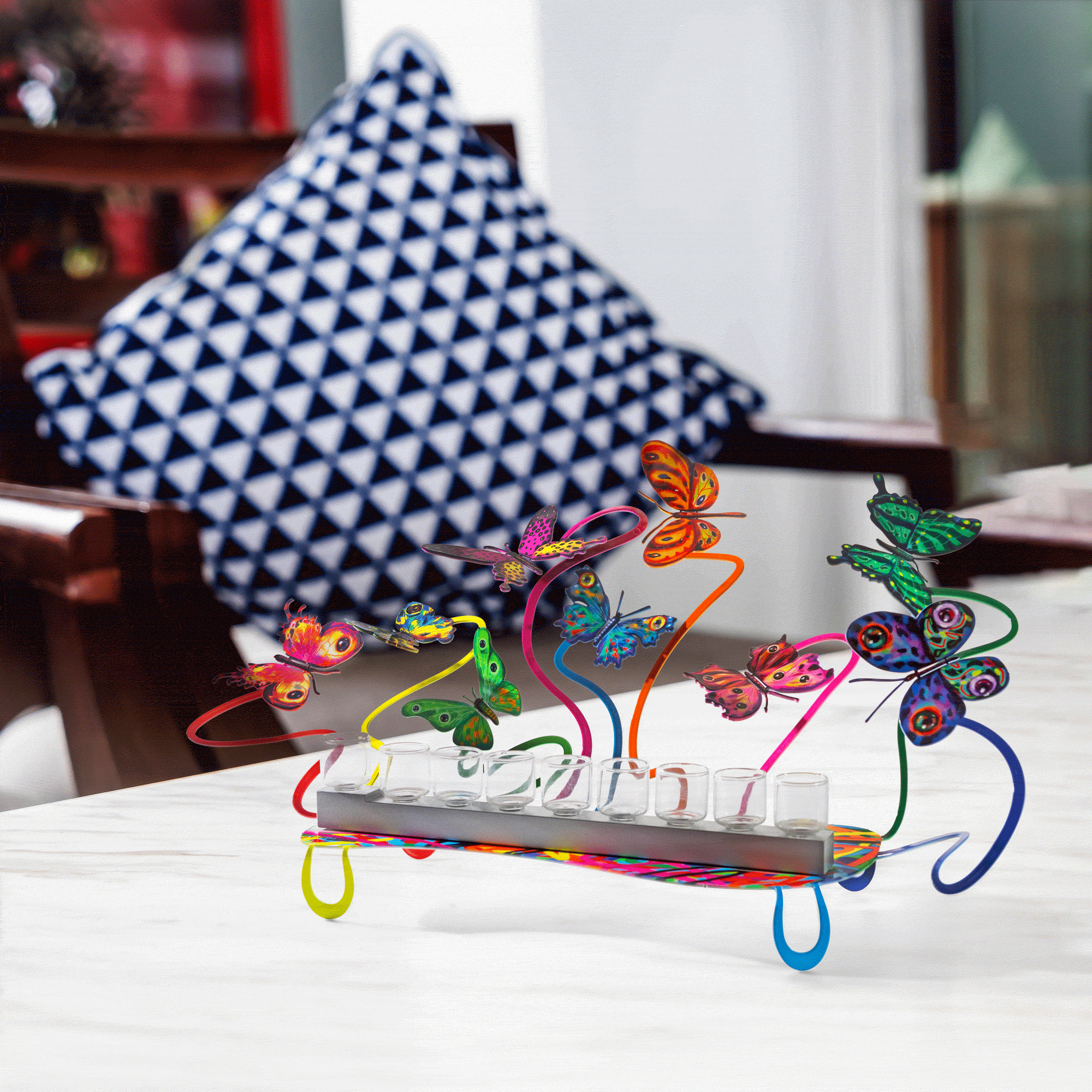
Renowned contemporary artist David Gerstein is a prime example of an artist who has mastered the minimalist pop art style, creating vibrant metal wall sculptures that have become iconic in modern art. His work, among others, has helped define the appeal of this contemporary art form.
As we explore the allure of minimalist pop art, we will delve into its unique aspects and the reasons behind its growing popularity among modern art enthusiasts.
Key Takeaways
- The simplicity of minimalist pop art is a major draw for modern art lovers.
- David Gerstein's work is a notable example of contemporary art's vibrant and dynamic style.
- Minimalist pop art offers a bold statement in a visually saturated world.
- The style's unique visual impact is captivating audiences worldwide.
- Contemporary artists are continually evolving the minimalist pop art style.
The Allure of Simplicity in a Complex World
In an era dominated by complexity, the simplicity of minimalist pop art offers a refreshing respite. As our lives become increasingly cluttered with information and stimuli, the straightforward approach of minimalist pop art provides a visual relief that is both welcome and necessary.
Visual Relief in an Age of Overstimulation
The modern world is characterized by a constant bombardment of visual and auditory stimuli, making it challenging to focus and relax. Minimalist pop art, with its clean lines, bold colors, and simple forms, offers a visual sanctuary. Artists like David Gerstein create wall sculptures that convey movement, color, depth, and emotions, providing viewers with a delightful escape into a world of colors and conditions.
The Psychology Behind Minimalist Appeal
The appeal of minimalist pop art can be attributed to several psychological factors.
Cognitive Processing and Visual Clarity
Simplified forms and clear compositions facilitate easier cognitive processing, making the art more accessible and enjoyable.
Emotional Response to Simplified Forms
The use of bold colors and simple shapes can evoke strong emotional responses, creating a connection between the viewer and the artwork.
The Evolution of Minimalist Pop Art Through History
The journey of Minimalist Pop Art through history is a fascinating tale of evolution, shaped by pioneering artists and cultural shifts. This art movement has its roots in the early 20th century, when artists began to explore new ways of expressing themselves through simplicity and bold statements.
Origins and Early Influences
Minimalist Pop Art emerged as a response to the complexity of modern life, drawing inspiration from the minimalist and pop art movements. The early influences can be traced back to artists who sought to break away from traditional representational art forms.
Pioneering Artists Who Shaped the Movement
Artists like Andy Warhol and Roy Lichtenstein played crucial roles in shaping Minimalist Pop Art. Their innovative approaches to art, characterized by simplicity and bold imagery, paved the way for future generations.
Andy Warhol's Contribution to Pop Minimalism
Andy Warhol's work, such as his iconic Campbell's Soup Cans, exemplified the fusion of pop art and minimalism. His use of everyday images and bold colors helped define the visual language of Minimalist Pop Art.
Roy Lichtenstein's Iconic Simplifications
Roy Lichtenstein's comic-strip-inspired artworks are quintessential examples of Minimalist Pop Art. His simplification of complex narratives into bold, graphic forms contributed significantly to the movement.
The Transition to Contemporary Expressions
Today, Minimalist Pop Art continues to evolve, with artists like David Gerstein pushing the boundaries of the style. Gerstein's large-scale public sculptures and vibrant artworks reflect the contemporary expressions of this art movement.
Key Characteristics of Minimalist Pop Art
At the heart of minimalist pop art lies a paradox: it's both simple and profoundly impactful. This art form has captivated audiences with its unique blend of simplicity and bold statements.
Bold Colors and Clean Lines
One of the defining features of minimalist pop art is its use of bold colors and clean lines. Artists like David Gerstein have mastered the art of creating visually striking compositions that are both simple and powerful. Gerstein's 3D Wall Sculptures, for example, are built from multi-layer mixed media cutout aluminum, conveying movement and emotions through their sleek designs.
Iconic Imagery and Cultural References
Minimalist pop art often incorporates iconic imagery and cultural references that resonate with a wide audience. By using familiar symbols and motifs, artists can create a sense of connection and shared experience. This approach makes the art more accessible and engaging for viewers.
The Power of Negative Space
The strategic use of negative space is another key element of minimalist pop art. By balancing composition and space, artists can create a sense of harmony and visual balance.
Creating Impact Through Absence
The absence of clutter and unnecessary elements allows the viewer to focus on the essential message or image, making the art more impactful.
Balance and Composition Techniques
The artist achieves balance through careful composition, using techniques such as symmetry, asymmetry, and the rule of thirds to create visually appealing works.
Why Modern Art Lovers Embrace Minimalist Pop Art
Minimalist Pop Art has become a staple in modern art collections, captivating enthusiasts worldwide with its unique blend of simplicity and vibrancy. This art form, characterized by its bold colors and clean lines, resonates deeply with contemporary art lovers. David Gerstein's art, for instance, is instantly recognizable for its color, movement, and energy, resonating with audiences worldwide.
Accessibility and Universal Appeal
One of the primary reasons Minimalist Pop Art has gained such widespread acclaim is its accessibility. Unlike some art forms that may be confined to niche audiences, Minimalist Pop Art speaks to a broad spectrum of people. Its universal appeal lies in its ability to evoke emotions and spark conversations without being overly complex.
Statement Pieces for Contemporary Lifestyles
Minimalist Pop Art is not just about aesthetics; it's also about making a statement. In contemporary lifestyles, where interior design and personal expression are highly valued, these artworks serve as striking statement pieces. They can transform a room, adding a touch of sophistication and personality.
Connection to Mindfulness and Intentional Living
The principles behind Minimalist Pop Art also align with the growing interest in mindfulness and intentional living. By stripping away the unnecessary and focusing on the essence, this art form encourages viewers to appreciate the beauty in simplicity. It's a reflection of a lifestyle that values clarity and purpose.
In conclusion, the embrace of Minimalist Pop Art by modern art lovers can be attributed to its unique blend of accessibility, statement-making potential, and alignment with contemporary values such as mindfulness. As the art world continues to evolve, it's clear that Minimalist Pop Art will remain a significant and influential force.
The Intersection of Fine Art and Popular Culture
The intersection of fine art and popular culture is where Minimalist Pop Art thrives, captivating a broad audience. This art form bridges the gap between the elite world of fine art and the accessible realm of popular culture, making it a significant movement in modern art.
Democratization of Artistic Expression
Minimalist Pop Art democratizes artistic expression by simplifying complex imagery into bold, clean lines that appeal to a wide audience. Artists like David Gerstein use their work to engage with the public, making art more accessible. This accessibility is a key factor in the popularity of Minimalist Pop Art.
Commercial Applications and Brand Identity
The style's bold and clean aesthetic makes it ideal for commercial applications, where it is used to create strong brand identities. Companies often incorporate Minimalist Pop Art into their branding to convey a modern, trendy image. This application further blurs the line between fine art and popular culture.
Digital Media and Expanded Reach
Digital media has played a crucial role in expanding the reach of Minimalist Pop Art. Social media platforms and online galleries have made it easier for artists to showcase their work to a global audience. This digital presence has contributed to the art form's popularity and its ability to intersect with popular culture.
Collecting and Investing in Minimalist Pop Art
For those looking to start or expand their art collection, minimalist pop art offers a compelling blend of aesthetic appeal and investment potential. This art movement, characterized by its simplicity, bold colors, and iconic imagery, has gained significant traction in the art world.
Market Trends and Value Appreciation
The market for minimalist pop art is experiencing steady growth, driven by increasing demand from collectors and investors. Gerstein Wall Sculptures, priced between $2,700 and $17,000, are a prime example of the market's potential. These sculptures are not only aesthetically pleasing but also hold their value over time, making them a sound investment.
Starting a Collection: Tips for New Enthusiasts
For new collectors, starting a minimalist pop art collection can be both exciting and daunting. Here are a few tips to consider:
-
Begin with pieces that resonate with you personally.
-
Research the artist and their market history.
-
Consider the condition, rarity, and provenance of the artwork.
Authentication and Provenance Considerations
Ensuring the authenticity and understanding the provenance of an artwork are crucial steps in the collecting process. Provenance refers to the artwork's history of ownership, which can significantly impact its value.
Budgeting and Investment Strategies
Setting a budget and sticking to it is essential for new collectors. It's also important to consider the long-term investment potential of the artwork. Diversifying your collection can help mitigate risks.
Notable Collections and Exhibitions
Minimalist pop art is featured in numerous prestigious collections and exhibitions worldwide. Artists like David Gerstein have gained international recognition, with their works being showcased in galleries and museums globally.
Gerstein Wall Sculptures: Contemporary Minimalist Design Excellence
David Gerstein's wall sculptures embody the essence of contemporary minimalist design, captivating art enthusiasts worldwide. His innovative approach to art has led to the creation of stunning pieces that blend simplicity with profound expression.
Signature Style and Artistic Vision
Gerstein's wall sculptures are characterized by their multi-layered mixed media cutout aluminum construction, showcasing his unique artistic vision. This signature style not only reflects his ability to innovate but also his commitment to pushing the boundaries of contemporary art.
The use of aluminum in his sculptures adds a modern touch, while the multi-layered design creates a sense of depth and complexity. This blend of materials and techniques results in visually striking pieces that are both elegant and thought-provoking.
Material Innovation and Craftsmanship
The craftsmanship behind Gerstein's wall sculptures is exemplary, with each piece meticulously crafted to achieve a perfect balance between form and function. The innovative use of materials, particularly aluminum, underscores Gerstein's commitment to exploring new possibilities in art.
This focus on material innovation has not only contributed to the distinctiveness of his work but has also influenced the broader contemporary art scene. Gerstein's sculptures serve as a testament to the potential of minimalist design to transform and elevate modern spaces.
Impact on Modern Art Spaces
Gerstein's wall sculptures have made a significant impact on modern art spaces, both in public installations and private collections. Their presence in these spaces adds a layer of sophistication and contemporary flair.
Public Installations and Their Influence
Public installations featuring Gerstein's wall sculptures have become landmarks in their own right, drawing visitors and art enthusiasts. These installations demonstrate the power of minimalist design to engage and inspire a wide audience.
Private Collections Featuring Gerstein Works
In addition to public installations, Gerstein's sculptures are highly sought after by private collectors. The inclusion of his work in these collections underscores the appeal of minimalist pop art in contemporary décor and the desire for unique, statement pieces.
Overall, David Gerstein's wall sculptures represent a pinnacle of contemporary minimalist design, combining innovative materials, exceptional craftsmanship, and a profound artistic vision. As such, they continue to captivate and inspire art lovers around the world.
Integrating Minimalist Pop Art into Living Spaces
Gerstein's minimalist pop art, known for its color, movement, and energy, can transform any room into a contemporary masterpiece. By incorporating this art style into your home decor, you can create a space that is both modern and visually appealing.
Design Principles for Optimal Display
To effectively display minimalist pop art, it's essential to understand the design principles that make it stand out. Clean lines, bold colors, and negative space are key elements that contribute to its visual impact. When placing your art piece, consider the surrounding environment to ensure it becomes a focal point in the room.
Creating Focal Points in Contemporary Interiors
Minimalist pop art is particularly effective at creating focal points in contemporary interiors. By placing a statement piece in a strategic location, such as above a sofa or in an entryway, you can draw the eye and create a sense of energy in the space.
Complementary Décor and Color Schemes
Choosing the right décor and color schemes to complement your minimalist pop art can enhance its impact. Consider a palette that either contrasts or harmonizes with the colors in your art piece. For instance, if your art features bold, bright colors, a neutral background can help it stand out.
Lighting Considerations for Art Display
Proper lighting is crucial for showcasing your minimalist pop art. Soft, indirect lighting can help to highlight the colors and details of the piece without causing glare or reflections.
Balancing Minimalist Art with Other Elements
To avoid overwhelming the space, it's essential to balance your minimalist pop art with other decorative elements. Consider the scale and proportion of the art piece in relation to the surrounding furniture and décor to achieve a harmonious and visually appealing arrangement.
The Digital Revolution's Impact on Minimalist Pop Art
The rise of digital technologies has significantly impacted the minimalist pop art scene, offering new avenues for artists and collectors. This shift has transformed how art is created, displayed, and consumed.
Social Media as a Platform for Art Discovery
Social media platforms have become crucial for discovering new minimalist pop art. Artists like David Gerstein use platforms such as Instagram to showcase their work, reaching a global audience. This increased visibility has democratized art appreciation, allowing enthusiasts to explore and engage with art from anywhere in the world.
Key benefits of social media for minimalist pop art include:
-
Increased global visibility
-
Direct interaction between artists and collectors
-
Real-time updates on new artworks and exhibitions
Virtual Galleries and Online Exhibitions
The digital revolution has also given rise to virtual galleries and online exhibitions. These platforms provide an immersive experience, allowing viewers to explore artworks in detail from the comfort of their homes. Virtual exhibitions have expanded the reach of minimalist pop art, making it accessible to a broader audience.
Digital Creation Tools and New Possibilities
Digital creation tools have opened new possibilities for minimalist pop art artists. Software and apps enable artists to experiment with new techniques, colors, and forms, pushing the boundaries of traditional art. This has led to innovative and fresh expressions within the genre.
The digital revolution has undoubtedly transformed the landscape of minimalist pop art, offering unprecedented opportunities for artists, collectors, and enthusiasts alike.
The Future Trajectory of Minimalist Pop Art
The minimalist pop art scene is poised for continued evolution, driven by emerging artists who bring fresh perspectives to the table. As we look to the future, it's clear that this art form will continue to captivate modern art lovers.
Emerging Artists and Fresh Perspectives
New artists are entering the minimalist pop art scene, introducing innovative styles and themes that expand the genre. Their work is characterized by a blend of traditional techniques and modern sensibilities, appealing to a diverse audience.
Technological Innovations in Creation and Display
Technological advancements are also playing a crucial role in shaping the future of minimalist pop art. Digital tools are enabling artists to experiment with new forms of expression, while digital platforms are making it easier for art enthusiasts to discover and engage with minimalist pop art.
Sustainability and Ethical Considerations
Sustainability is becoming increasingly important in the art world. Artists and producers are focusing on eco-friendly materials and practices.
Eco-Friendly Materials and Practices
The use of sustainable materials is on the rise, reducing the environmental footprint of art production.
Social Responsibility in Art Production
There's a growing emphasis on social responsibility, ensuring that art production is not only environmentally friendly but also ethically sound.
Conclusion: The Enduring Appeal of Minimalist Pop Art
The allure of minimalist pop art lies in its simplicity, bold colors, and clean lines, making it a favorite among modern art lovers. This art style has evolved, influenced by pioneers who shaped its development and contemporary artists who continue to innovate within the genre.
David Gerstein's work exemplifies the enduring appeal of minimalist pop art, blending simplicity with vibrant colors and energy. His contributions, along with those of other artists, have cemented minimalist pop art's place in the fine art world. The style's accessibility and universal appeal make it a staple in contemporary art, resonating with a wide audience.
As the art world continues to evolve, minimalist pop art remains a significant force, influencing design, culture, and lifestyle. Its integration into living spaces and its presence in digital media underscore its relevance and timeless appeal. For modern art lovers, minimalist pop art offers a unique blend of aesthetics and emotional resonance, ensuring its continued popularity.
FAQ
What is minimalist pop art?
Minimalist pop art is a style that combines the simplicity of minimalist design with the bold, iconic imagery of pop art, creating visually striking compositions that appeal to modern art lovers.
Who is David Gerstein, and how does his work relate to minimalist pop art?
David Gerstein is a prominent artist known for his contributions to minimalist pop art, particularly through his wall sculptures that embody the style's principles of simplicity, bold colors, and iconic imagery.
Why is minimalist pop art appealing to modern art enthusiasts?
Minimalist pop art offers visual relief in a world overwhelmed by stimuli, leveraging simplicity to
FAQ
What is minimalist pop art?
Minimalist pop art is a style that combines the simplicity of minimalist design with the bold, iconic imagery of pop art, creating visually striking compositions that appeal to modern art lovers.
Who is David Gerstein, and how does his work relate to minimalist pop art?
David Gerstein is a prominent artist known for his contributions to minimalist pop art, particularly through his wall sculptures that embody the style's principles of simplicity, bold colors, and iconic imagery.
Why is minimalist pop art appealing to modern art enthusiasts?
Minimalist pop art offers visual relief in a world overwhelmed by stimuli, leveraging simplicity to create impactful art that resonates with contemporary lifestyles and the principles of mindfulness and intentional living.
What are the key characteristics of minimalist pop art?
The defining features include bold colors, clean lines, iconic imagery, and the strategic use of negative space, all of which work together to create visually striking compositions.
How can I integrate minimalist pop art into my living space?
To incorporate minimalist pop art, consider design principles such as creating focal points, choosing complementary decor and color schemes, and balancing minimalist art with other decorative elements, all while paying attention to lighting.
What should I consider when collecting or investing in minimalist pop art?
When collecting or investing, consider market trends, the importance of authentication and provenance, and budgeting strategies, as well as researching notable collections and exhibitions featuring artists like David Gerstein.
How has the digital revolution impacted minimalist pop art?
The digital revolution has opened new avenues for minimalist pop art through social media, virtual galleries, and digital creation tools, expanding the reach and possibilities for both artists and collectors.
What is the future of minimalist pop art?
The future is likely to be shaped by emerging artists, technological innovations, and a growing emphasis on sustainability and ethical considerations, potentially incorporating eco-friendly materials and practices.
Can minimalist pop art be considered fine art?
Yes, minimalist pop art can be considered fine art as it intersects with fine art traditions while also engaging with popular culture, democratizing artistic expression and finding applications in various contexts.
How do Gerstein Wall Sculptures contribute to modern art spaces?
Gerstein Wall Sculptures, with their unique qualities, material innovation, and artistic vision, contribute significantly to modern art spaces, including public installations and private collections, enhancing the contemporary art landscape.
Ready to bring a David Gerstein piece into your space? Contact the studio for inquiries and commissions.