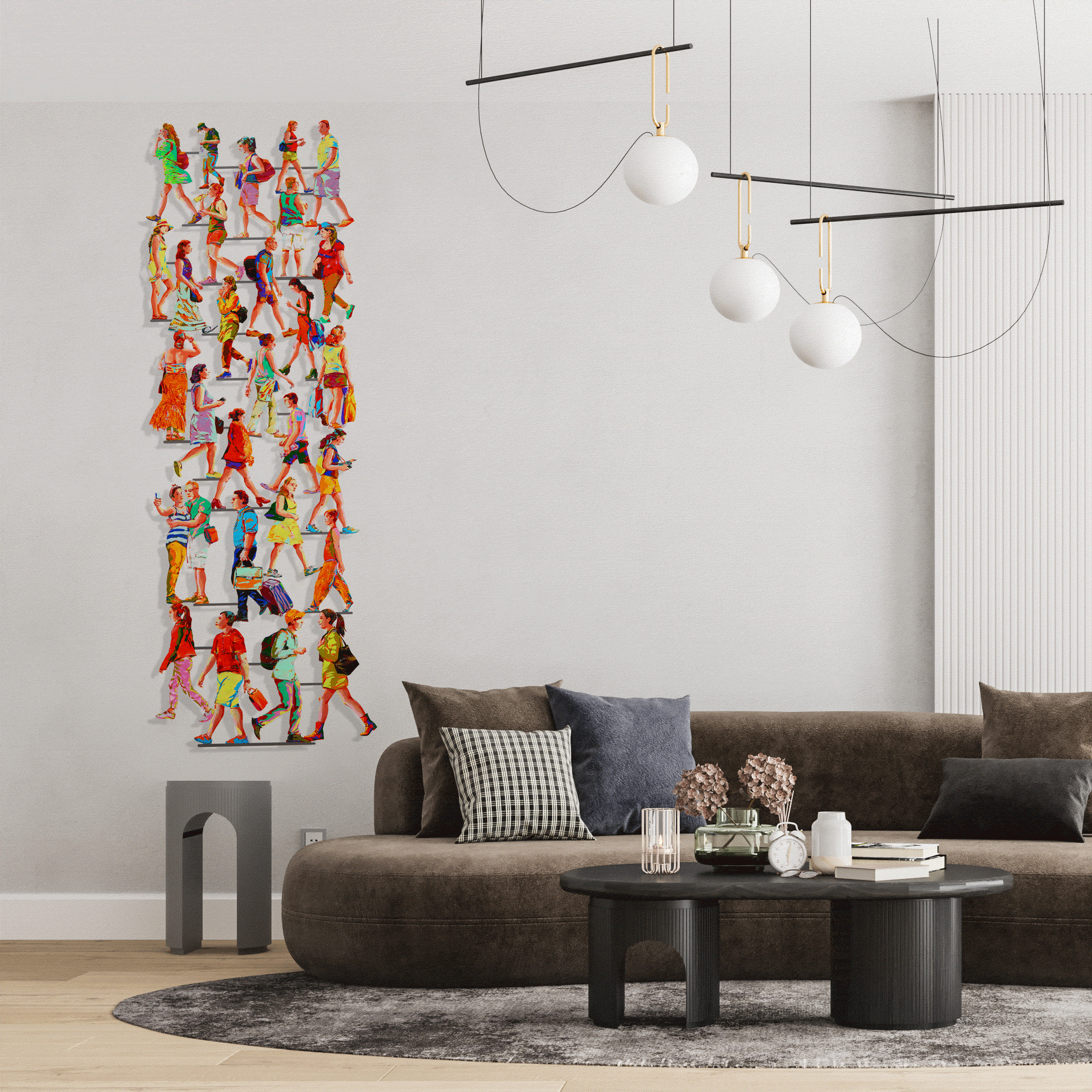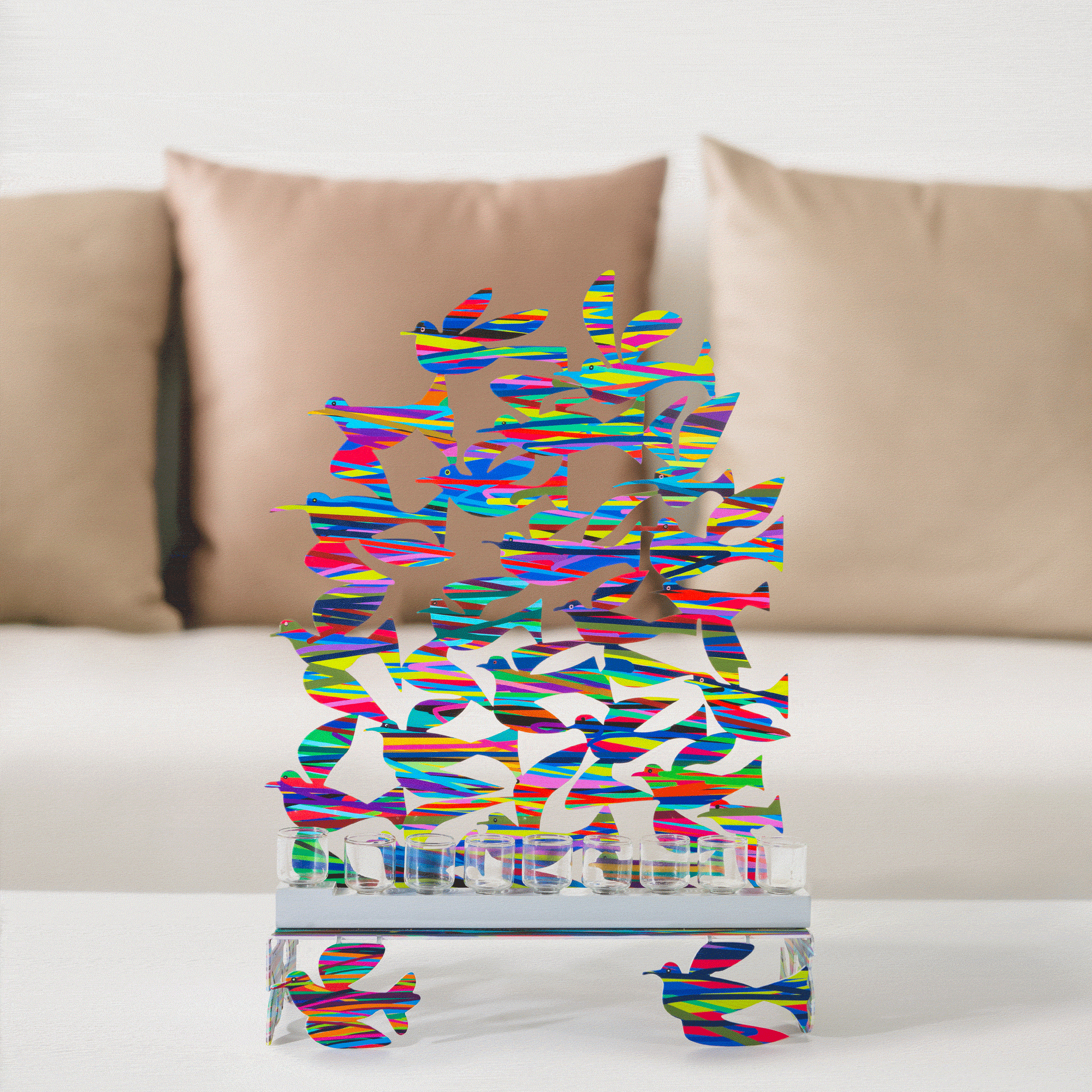


What happens when ancient traditions meet contemporary artistic vision? David Gerstein's vibrant menorahs and sculptures answer this question with breathtaking creativity, transforming the way we experience seasonal celebrations.
This International artist has revolutionized holiday art by bridging centuries-old customs with modern aesthetic sensibilities. His work represents a fascinating intersection where deep cultural heritage meets playful, accessible artistic expression.
Gerstein's approach makes museum-quality art available to everyone. He removes the barriers typically associated with fine art collecting, allowing people worldwide to incorporate extraordinary pieces into their seasonal traditions. This accessibility transforms how families celebrate meaningful occasions.
The artist's distinctive visual language, characterized by bold colors, dynamic compositions, and joyful forms, breathes new life into traditional Judaica. Each piece maintains profound respect for cultural significance while speaking to contemporary tastes.
This guide explores how Gerstein's innovative designs celebrate light, tradition, and community through art that feels both timeless and refreshingly modern. It reveals how thoughtful craftsmanship can enhance our most cherished seasonal observances.
Key Takeaways
-
David Gerstein merges traditional holiday symbolism with contemporary artistic expression.
-
His work makes high-quality art accessible for everyday seasonal celebrations.
-
Bold colors and dynamic forms characterize his distinctive visual style.
-
Gerstein's menorah designs maintain cultural respect while embracing modernity.
-
His sculptures transform how families experience holiday traditions.
-
Artistic innovation can deepen the meaning of seasonal observances.
-
Accessible art bridges the gap between museum collections and home celebrations.
Introduction to Hanukkah Art
Jewish celebrations have long been enriched by artistic interpretations that elevate traditional objects beyond their ritual purposes. This evolution from purely functional items to expressive works of art spans centuries, reflecting both religious devotion and aesthetic innovation. The transformation demonstrates how ceremonial pieces can embody cultural values while embracing creative expression.
The menorah stands as the central symbol of Hanukkah celebrations, carrying profound historical significance. Contemporary artists like David Gerstein have reimagined this essential holiday object while maintaining its spiritual meaning. Their innovative approaches honor tradition while introducing fresh perspectives that resonate with modern sensibilities.
This creative evolution exists within the broader context of Judaica art, where craftsmanship and beauty have always been valued. The thriving market for artistic menorahs and ceremonial pieces builds upon centuries of skilled artistry. These traditions create a foundation for today's dynamic interpretations of holiday objects.
Hanukkah art represents what experts call "living traditions"—practices that honor the past while embracing present-day artistic movements. This approach serves as a bridge between generations, connecting sacred customs with contemporary creative expression. The result is art that feels both timeless and refreshingly current.
There's growing appreciation for art that enhances holiday celebrations, with collectors and families seeking pieces that transform observances into visually rich experiences. These artistic additions create lasting memories and meaningful connections to cultural heritage. They demonstrate how thoughtful design can deepen our engagement with important traditions.
The Vision Behind David Gerstein's Work
For decades, David Gerstein has championed an artistic philosophy that dismantles the traditional separation between fine art and everyday experience. His vision represents a fundamental shift in how we understand art's role in society.
Art That Touches Life
Gerstein's core belief centers on art that actively engages with daily existence. He rejects the idea that creative expression belongs only in museums visited occasionally. Instead, his work inhabits spaces where people actually live and celebrate.
This philosophy transforms ordinary moments into opportunities for aesthetic appreciation. Beauty becomes an everyday experience rather than something exceptional. Over time, these artistic encounters accumulate deep meaning and cultural connection.
The concept of "art that touches life" guides Gerstein's choice of subjects and materials. He creates works that integrate seamlessly into homes and public spaces. This approach challenges traditional art world hierarchies while maintaining high craftsmanship standards.
Making Art Accessible for All
Gerstein's vision democratizes access to creative expression. He believes everyone should experience quality art as part of their routine. This commitment has shaped his output for years.
His approach proves particularly meaningful for ceremonial objects like menorahs. These pieces are meant to be used, touched, and incorporated into family rituals. The marriage of function and beauty creates art that truly touches life.
David's Mission: Art for Everyone
The democratization of artistic experience forms the philosophical cornerstone of David Gerstein's entire body of work. He champions creativity as a universal right rather than an elite privilege. This vision transforms how people engage with quality art in their daily lives.
Gerstein's mission influences every part of his creative practice. From subject selection to production methods, he multiplies access points for diverse audiences. His approach allows people to engage with his work at various price levels and contexts.
The artist navigates complex questions about value and authenticity with remarkable skill. He balances the relationship between original works and editions while maintaining artistic integrity. This commitment to accessibility enriches both individual lives and communities over time.
Shared visual languages emerge when art becomes widely available. These cultural touchstones connect people across economic and geographic boundaries. They create bridges that might otherwise separate individuals from others in their community.
Practical decisions about production scale and distribution reflect Gerstein's core philosophy. He maintains quality while reaching broader audiences. This approach proves particularly meaningful for ceremonial objects like Hanukkah menorahs.
The result is art that feels both personally significant and communally shared. Gerstein's work demonstrates how accessibility can enhance rather than dilute artistic impact. His mission continues to inspire new generations of artists and art lovers alike.
From Keith Haring's Pop Shop to a Modern Art Philosophy
Keith Haring's groundbreaking Pop Shop represented a seismic shift in how artists could connect with audiences beyond traditional gallery walls. This innovative retail space challenged art world conventions by making distinctive creative expression available to everyone.
Historic Inspirations
In 1986, Haring opened his revolutionary Pop Shop in New York's Soho district. This innovative place offered affordable merchandise featuring his iconic visual language. It bypassed traditional art gatekeepers, connecting directly with public audiences.
The mid-1980s cultural context saw street art challenging gallery hierarchies. Haring's model demonstrated that established artists could maintain credibility while reaching mass audiences. His approach brought museum-quality creativity into daily life.
Bridging Museum Art and Everyday Life
David Gerstein adapted Haring's philosophy years later, developing his own accessible art model. He recognized that bridging fine art and functional objects enriches both domains. This connection maintains artistic power while integrating creativity into routines over time.
Gerstein's adaptation reflects contemporary technologies and global markets. His approach honors the Pop Shop spirit while addressing different cultural contexts. Both artists prove that fine art maintains meaning when reproduced for broader accessibility.
The Pop Shop's lasting influence continues in contemporary art practice. Many artists now seek ways to honor their vision while reaching broader audiences. This philosophy transforms how people experience creativity in their daily lives.
The Small Objects Collection: Affordable Art with Big Impact
David Gerstein's philosophy of democratic art finds its most practical expression in his Small Objects collection. This curated range brings museum-quality creativity into everyday living spaces worldwide.
These accessible pieces maintain the artist's signature vibrancy while offering entry points for diverse collectors. They demonstrate how thoughtful design can transform ordinary moments into artistic experiences.
Small Sculptures, Bowls, and Clocks
The collection features playful sculptures that capture Gerstein's dynamic movement and joy. Functional items like decorative bowls and wall clocks become artistic statements.
Each piece maintains the characteristic cutout style and bold color palette of his gallery works. They transform utilitarian objects into celebrations of form and color.
Colorful Menorahs for Hannukiah
Gerstein's menorah designs combine religious function with contemporary aesthetic innovation. These pieces honor traditional candle-lighting rituals while making striking visual statements.
During the Festival of Lights, these artistic menorah designs attract particular attention. Each candle holder reflects Gerstein's commitment to blending tradition with modern artistry.
While these lower-cost items face distribution challenges, they remain essential to the brand's "art for all" mission. They serve as entry points for new collectors and daily reminders of artistic beauty.
The collection proves that impactful art doesn't require monumental scale. Sometimes the smallest objects create the most meaningful connections to creativity and culture.
Hanukkah and Its Cultural Significance: A Closer Look
Winter's darkest days become brighter through a celebration that honors both historical triumph and enduring spiritual values. This beloved Jewish holiday commemorates events from the second century BCE, when Jewish rebels reclaimed their sacred Temple in Jerusalem from oppressive forces.
Festival Lights and Traditions
The central miracle of this celebration involves a small cruse of oil that defied expectations. After the Maccabean victory, only enough consecrated oil remained to burn for one day, yet it miraculously lasted for eight full days. This extraordinary event forms the foundation for the candlelighting ritual that defines the festival.
Each night, families add another candle to their menorah, creating a growing spectacle of light against the winter darkness. The eight-day observance symbolizes the original miracle while representing hope and resilience. As one scholar notes, "The increasing light each night mirrors our capacity to bring more illumination into the world."
This timing during December's shortest days makes the ritual particularly meaningful. The contrast between natural darkness and increasing artificial light creates powerful symbolism. Modern families continue this tradition, connecting to centuries of cultural heritage through simple yet profound ceremonies.
Understanding this rich context enhances appreciation for contemporary artistic interpretations of traditional objects. The story of the oil miracle and Temple rededication continues to inspire creative expressions that bridge ancient customs with modern aesthetics.
Vibrant Menorahs: Tradition Meets Contemporary Design
Contemporary menorah design achieves its most expressive form in David Gerstein's colorful interpretations of this ancient symbol. His approach maintains the essential nine-branch structure required for proper ritual use while transforming these functional objects into bold artistic statements that command attention.
Gerstein's distinctive design elements include vivid colors, layered metal cutouts, and dynamic compositions. These features create visual excitement that enhances the nightly candlelighting ritual. The menorah transforms from a simple candleholder into a centerpiece of celebration.
During the eight nights of the holiday, these vibrant menorahs serve dual purposes. They function as both ceremonial objects and decorative art that beautifies homes. This creates focal points that draw families together and mark spaces as dedicated to celebration.
The interplay between menorah structure and festival lights receives thoughtful consideration in Gerstein's designs. Artistic elements catch and reflect flickering candlelight to create atmospheric effects. This visual enhancement deepens the holiday experience each night.
These contemporary designs appeal to diverse audiences, from traditionalists appreciating fresh interpretations to modern design enthusiasts. The pieces integrate seamlessly with contemporary interiors while serving their sacred ceremonial purpose.
Gerstein's work represents a broader trend of artist-designed menorahs that treat ritual objects as creative canvases. This movement views Jewish ceremonial art as a living tradition welcoming innovation while maintaining connection to historical forms.
Owning an artistic menorah transforms the holiday experience, making nightly rituals more visually engaging. Families treasure these pieces year after year, building memories that deepen meaning over time.
Exploring David Gerstein's Sculptures and Art Pieces
Beyond the ceremonial menorahs that define his holiday work, David Gerstein's sculptural universe expands into a vibrant collection of small-scale masterpieces. These intimate works capture the same joyful energy that characterizes his larger installations, proving artistic impact doesn't require monumental size.
Uniquely Crafted Small Sculptures
Gerstein's small sculptures demonstrate remarkable technical sophistication beneath their playful appearance. Recurring themes include urban cyclists, dancing figures, and natural motifs that celebrate everyday pleasures. These subjects reflect Gerstein's belief that art should find beauty in ordinary moments. The sculptures serve as vibrant conversation starters in interior spaces.
Even compact works maintain the energetic character of Gerstein's top-tier public installations. They bring color and personality to shelves and tabletops, integrating naturally while commanding attention. Each piece forms part of a cohesive artistic universe with consistent aesthetic values.
Collectors appreciate how these sculptures allow gradual relationship-building with Gerstein's work. Adding pieces over time creates curated groupings that reflect personal taste. They transform any place into a gallery of accessible artistry, making fine art an everyday experience.
Accessible Art: Bringing Culture into Your Home
Accessible art collections redefine how we experience beauty in our everyday surroundings, making creativity an active part of home life. These carefully chosen pieces transform living spaces into environments that reflect personal values and stimulate ongoing aesthetic engagement.
Practical integration begins with selecting works that resonate personally and placing them where they'll be appreciated regularly. Thoughtful positioning ensures art becomes a daily experience rather than a background decoration.
This approach democratizes cultural participation, allowing people of various economic levels to become collectors. Building personal collections brings joy and marks important moments while supporting artistic production.
Research confirms that living with meaningful art enhances wellbeing and reduces stress over time. Beautiful objects in our immediate environment create opportunities for contemplation and conversation.
Culturally specific art like Judaica serves additional functions beyond aesthetic pleasure. It helps families maintain heritage connections and transmit traditions, creating homes that visibly express religious identity during celebrations like Hanukkah.
The evolving definition of art collection embraces mixed media and price points. Contemporary collectors value personal resonance over traditional prestige markers, creating inclusive approaches that connect us with others through shared appreciation.
This shift makes art ownership more individualistic and meaningful. Collections built with intention become lasting sources of cultural connection and personal fulfillment.
Enhancing Hanukkah Celebrations with Art
Artistic menorahs serve as more than ceremonial objects—they become dynamic centerpieces that visually narrate the progression of the eight-night festival. These carefully chosen pieces elevate holiday celebrations from routine observance to memorable occasions, creating visual richness that enhances the atmosphere.
Creating Holiday Ambiance
The artistic menorah becomes the focal point of Hanukkah celebrations, drawing attention to the candle-lighting ritual. Each night builds anticipation as the display of lights grows progressively more impressive from the first night through the eighth.
Practical considerations for creating holiday ambiance include positioning the menorah where candles lit each night will be visible to both family members and passersby. This fulfills the mitzvah of publicizing the miracle while creating cohesive visual environments.
The progression of celebrations over eight nights finds artistic expression in the growing candle display. The first night of Hanukkah sets the tone, with each subsequent day building toward the final night when all candles shine together.
Art enhances multi-generational celebrations by providing visual interest that engages children while satisfying adult aesthetic sensibilities. These shared focal points facilitate family gatherings during nightly ceremonies.
Beautiful artistic elements create scenes worth capturing and sharing, building visual archives of family traditions. Investing in quality pieces demonstrates the importance of these occasions, teaching younger generations that traditions deserve beautiful objects.
Cultural Reflections: Jewish Holidays, Customs, and Foods
Jewish cultural life finds its rhythm through an annual calendar filled with diverse holidays, each carrying unique customs and culinary traditions. These observances range from solemn days of reflection to joyful festivals that mark historical events.
The Hebrew calendar follows lunar cycles with periodic adjustments, causing holiday dates to shift annually relative to the Gregorian calendar. This system creates dynamic timing for celebrations throughout the year.
Customs serve important educational purposes, particularly for children who learn through hands-on activities. These traditions make abstract historical events tangible and memorable across generations.
Traditional foods carry deep symbolic meaning, with oil-fried dishes like latkes (potato pancakes) and sufganiyot (jelly doughnuts) commemorating ancient miracles. Families often gather to prepare these treats together.
The connection between light and food creates multiple daily reminders of holiday meanings. Both elements work together to create holistic experiences that engage multiple senses during the eight-day festival.
Art for All: Inspiring Connections Across Generations
The most meaningful art transcends aesthetic appeal to become a catalyst for human connection across age groups and backgrounds. David Gerstein's accessible creations serve as visual bridges that span generational divides while celebrating cultural continuity.
Building Community Through Art
Accessible art creates rare common ground where different generations find simultaneous pleasure. Children respond to playful subjects and bright colors, while adults appreciate sophistication and quality. Over time, these shared experiences build family traditions around art that accumulate emotional significance.
Living with quality artistic objects develops visual literacy in children that becomes part of their fundamental worldview. As they mature across the years, this early exposure influences their own aesthetic choices and cultural appreciation.
Art also helps families maintain heritage connections across geographical distances. Displaying culturally significant pieces creates tangible links to traditions that might otherwise fade. These objects become anchors when families disperse to different places.
The social aspects of art collecting extend beyond individual homes. Sharing discoveries with others and hosting gatherings where artistic pieces provide natural conversation starters make homes into spaces that facilitate human connection. This accessibility ultimately serves democratic values by affirming that beauty belongs to all people.
Conclusion
When ceremonial objects become works of art, they elevate holiday celebrations from routine observances to memorable occasions. David Gerstein's vibrant menorahs embody this transformation, merging artistic excellence with democratic accessibility.
The ancient story of the oil miracle—burning for eight days instead of one—continues to inspire contemporary interpretations. Gerstein's designs honor this heritage while bringing fresh creativity to the festival of lights.
Each night's candle-lighting ritual becomes an aesthetic experience with artistic menorahs. The growing display of lights builds anticipation throughout the eight-day celebration.
These pieces serve families for years, becoming treasured heirlooms that accumulate stories and memories. They demonstrate how art enriches life when it finds its place in our daily experiences.
Investing in quality artistic pieces transforms holiday traditions into lasting connections between generations. Gerstein's work proves that beauty belongs in the spaces where we actually live and celebrate.
FAQ
What is the story behind the Festival of Lights?
The holiday commemorates the rededication of the Temple in Jerusalem after a military victory. A miracle occurred when a small amount of sacred oil, enough for just one day, lasted for eight full days, allowing the menorah to remain lit. This event is the origin of the eight-night celebration.
What are some traditional foods enjoyed during this time?
Foods fried in oil, like potato pancakes (latkes) and jelly-filled doughnuts (sufganiyot), are central to the custom. These dishes symbolically connect to the miracle of the oil and are beloved parts of the festivities.
How does the date of the celebration change each year?
The holiday begins on the 25th day of Kislev according to the Hebrew calendar. Because this calendar is lunisolar, the dates shift annually relative to the Gregorian calendar, typically falling in November or December.
What is the significance of the menorah and candle lighting?
The menorah holds nine candles—one helper candle (shamash) used to light the others. On the first night, one candle is lit, with an additional candle lit each subsequent night until all eight are ablaze on the final evening, symbolizing the miracle and spreading light.
How do David Gerstein's artworks connect to these traditions?
Gerstein's vibrant menorahs and sculptures reinterpret traditional symbols through a contemporary, colorful lens. His work makes the cultural significance of the holiday accessible, allowing families to incorporate unique, artistic pieces into their celebrations and homes.
Ready to bring a David Gerstein piece into your space? Contact the studio for inquiries and commissions.