

What makes a piece of art speak to millions? The lines between high culture and everyday life have blurred. Now, art fills city streets, digital screens, and museums with equal power. Artists create experiences that go beyond traditional spaces, adding color and movement to our daily lives.
Today's culture values art that reaches many through simple, clear messages: street murals and digital art come from unexpected places. Artists mix materials and techniques to capture the energy of urban life, telling personal stories that touch everyone.
Art has changed with society and technology. Sculptures in public spaces burst with color and movement. Digital platforms let artists share their work worldwide instantly. This broad appeal enriches cultural talks and creative sharing.
Artists now mix old skills with new ideas, making works that challenge and touch us. Street art's quickness meets digital design's precision. Bright colors on metal surfaces capture moments forever. These works shape how we see ourselves and our world.
Key Takeaways
-
Popular art bridges fine art traditions with accessible visual storytelling that resonates across diverse audiences.
-
Contemporary culture drives artistic innovation through technology, social media, and urban environments.
-
Art movements emerge from street corners and digital spaces as often as from traditional galleries.
-
Mass appeal enhances artistic value by sparking wider cultural conversations.
-
Multi-layered techniques and vibrant materials capture modern life's energy and motion.
-
Artists turn everyday moments into visual stories that link personal tales with universal themes.
Understanding Popular Art in Contemporary Culture
Popular art connects elite galleries with everyday life. It creates a bond between artists and their audience. This art shows our times through simple yet powerful visual languages.
It speaks to many communities. The definition of contemporary art has grown. It now includes new forms that show our modern feelings and experiences.
Defining Popular Art and Its Mass Appeal
Popular art mixes skill with themes that many can relate to. Artists today make pieces that celebrate the joy of life. They do this while keeping their art true to itself.
These works often have:
-
Vibrant colors that grab your attention
-
Familiar subjects from our daily lives
-
Mixed media that adds depth
-
Playful elements that bring happiness
This makes fine art more accessible. It welcomes those who might feel out of place in traditional museums.
The Intersection of Fine Art and Popular Culture
Today's artists find inspiration in cultural movements that shape our world. They turn everyday scenes into powerful stories. Street art, pop culture, and social commentary blend in their work.
This mix challenges the old divide between high and low art.
How Social Media Transforms Art Accessibility
Platforms like Instagram, TikTok, and Pinterest have changed how we see art. Artists share their work with millions. Virtual tours bring galleries to our phones.
This digital shift has made art more open. It lets new artists reach people without old barriers.
Current Trends Shaping the Art World
The art world is changing fast, with new ways to create and share art. Artists blend old and new, using tech with traditional methods. This shows how culture is shifting, from our online lives to caring for the planet.
Street Art Goes Mainstream
Street art is now accepted in galleries and auctions. Banksy's shredded painting at Sotheby's showed this change. Artists like KAWS and Shepard Fairey get big commissions.
Urban murals are now seen as a way to improve neighborhoods. Cities pay for big murals to make areas look better.
Sustainable and Eco-Conscious Art Movements
Artists are using recycled materials and green practices. They turn ocean plastic into art and use plant-based paints. They also think about their carbon footprint and buy local.
Interactive and Immersive Art Experiences
Museums use tech to make art interactive. Visitors become part of the art. TeamLab's exhibitions in Tokyo and Meow Wolf's installations show this trend.
Pop Art Movement and Its Lasting Influence
The pop art movement has left a lasting mark on visual culture. It started in the 1950s and grew strong in the 1960s. This movement turned everyday images into art, mixing high and low culture.
Artists like Andy Warhol, Roy Lichtenstein, and James Rosenquist made famous items like soup cans and comic strips into art. Their work changed how we see and value art.
Today, artists are inspired by pop art's bold colors and themes. They use these ideas in fashion, ads, and street art. This mix of old and new creates art that talks to both the past and today's issues.
Pop art made art more open to everyone. It showed that art can be fun and smart at the same time. This change helped break down old barriers between art and everyday life.
Artists today keep exploring pop art's ideas in new ways. They use digital tools and focus on the environment and global cultures. Their work is seen in places like Instagram, street art, and big exhibitions. This keeps pop art's spirit alive, reaching people of all ages.
Contemporary Styles Dominating Popular Art
The world of popular art is always changing. Artists mix old and new to create something new. They use different materials and techniques to reach out to many people. This makes art more than just for a few.
Minimalism and Abstract Expressionism
Minimalist artists focus on the basics. They use simple shapes and colors to make a big impact. On the other hand, abstract expressionism is all about feeling. It uses strong emotions and bold moves to say more than words can.
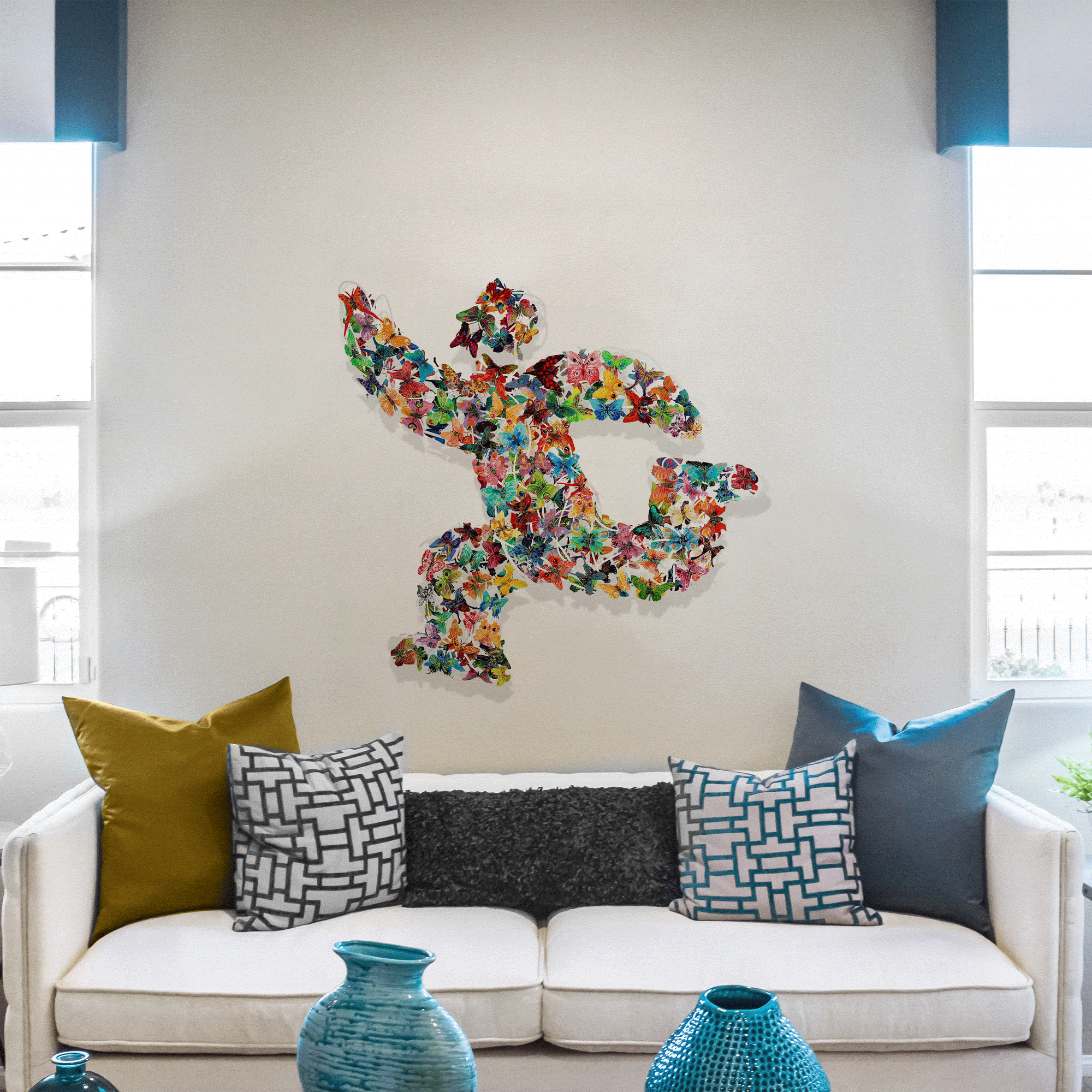
Both styles are big in today's art world. 3D wall sculptures by artist David Gerstein blend simple lines with profound feelings.
Neo-Pop and Urban Contemporary
Neo-Pop art brings back the old Pop Art with a new twist. It mixes everyday images with art techniques. This way, it talks about our world today and how we see it.
Urban contemporary art brings street art into galleries. It combines graffiti with traditional painting. This makes art more for everyone, not just a few.
Mixed Media and Collage Techniques
Today's artists love to mix things up. They use materials like aluminum, paper, and paint in new ways. This creates art that's deep and interesting.
They make three-dimensional art that you can see from all sides. It's like stepping into a world of art.
Three-Dimensional Art and Metal Sculptures
The art world has seen a major shift in three-dimensional art. Artists now create metal wall sculptures that add depth and texture. This change is making art more engaging in both homes and public places.
Multi-Layered Metal Art Techniques
Modern sculptural innovation uses complex layering. Artists cut shapes from aluminum, paint each layer, and stack them. This creates shadows and depth that change with the light.
Movement and Color in Contemporary Sculpture
Today's three-dimensional art shows movement with static forms. Bright colors add energy. These metal sculptures turn everyday scenes into lively celebrations of life.
Famous Artists and Their Iconic Works
Artists like Banksy, KAWS, and Takashi Murakami have changed what it means to leave a mark in the 21st century. Banksy's street art, sold for millions, is highly sought after. KAWS turns cartoon characters into statements on consumer culture, seen in museums worldwide.
Murakami's colorful art connects high culture with pop, appealing to all ages. Jeff Koons challenges us with his balloon animals and reflective sculptures. These artists reflect society's complexities through their work.
The worth of these artworks goes beyond their price. Each piece captures a moment in our history, showing our hopes, fears, and desires. Collectors know they own a piece of an evolving legacy that will shape future art and culture.
Art Collecting in the Digital Age
The digital world has changed how we find, learn about, and buy contemporary art. Now, art lovers can see huge collections from home. They can learn about artists and their work, making it easier to build a collection.
This change has made art more accessible. It opens doors for both experienced collectors and newcomers to the art scene.
Online Galleries and Virtual Exhibitions
Online platforms have changed the gallery experience. Now, collectors can explore a wide range of art online. From abstract to floral, they can see high-quality images and learn about the artists.
These online galleries offer features like 360-degree views and zoom. They let you see details you might miss in person.
Investment Value of Contemporary Art
Contemporary art is seen as a smart investment. It offers both beauty and financial growth. Pieces from famous artists in big cities like New York and London often increase in value.
An art collecting guide helps by teaching about artist trends and cultural importance. This knowledge is key to making smart choices.
Building a Personal Art Collection
Starting a collection means knowing what you like and how much you can spend. Look for art that speaks to you, whether it's bold designs or urban scenes. Focus on themes or artists you love, growing your collection over time.
Online, you can find curated collections and themed art. These help guide your choices while keeping your collection unique.
Public Art Installations and Urban Landscapes
Cities worldwide have changed their public areas with public art installations. These works, seen in places like Singapore's Marina Bay and New York's High Line, blend art and architecture. Now, urban sculptures are landmarks that make neighborhoods unique and share art with millions.
In the last decade, city landscapes have grown bigger and bolder. Artists like Anish Kapoor, Jeff Koons, and David Gerstein have turned empty spaces into art hubs. Chicago's Cloud Gate draws over 25 million visitors each year. London's Fourth Plinth program keeps Trafalgar Square fresh with new art. Singapore’s Momentum inspires the economic capital.
Urban sculptures do more than look good; they also boost the economy and bring people together. Research shows public art can raise property values by 5-7% nearby. Cities spend millions on these projects because they know they draw tourists, help local businesses, and build community pride.
The best installations connect with their surroundings. Seoul's Digital Media City has LED sculptures that show real-time data. Miami's Wynwood Walls turned an old industrial area into an outdoor gallery. These examples show art can engage people and start important talks about culture and place, without needing museum walls.
David Gerstein's Artistic Innovation
International artist David Gerstein has changed the game in contemporary sculpture. He turns flat steel into lively three-dimensional art that shows life's energy. His work is a mix of painting and sculpture, making David Gerstein's art famous worldwide.
David Gerstein's 3D Wall Sculptures Revolution
David Gerstein changed sculpture with his metal wall art. He cuts, layers, and paints aluminum sheets to make vibrant pieces. These artworks seem to come alive, inviting viewers to see them from different angles.
Signature Butterfly and Bicycle Rider Series
Gerstein's Butterfly series has twelve pieces that look like they're about to fly off the wall. He uses cut steel to show depth and movement. His thirteen Bicycle Rider-themed sculptures celebrate city life with fun figures riding bikes.
Urban Life and Jazz-Inspired Collections
The Urban series has thirty-seven pieces showing city life, from markets to sidewalks. Eight Jazz-themed sculptures add music to art with swirling forms and bright colors. These limited edition sculptures show Gerstein's love for city life and culture.
Limited Edition Pieces and Collector Value
Each sculpture is part of a small edition, making them valuable to collectors. Museums and private collections around the world have Gerstein's work. This proves their lasting value and importance in art.
Global Exhibitions in London, Singapore, and Tel Aviv
Gerstein's global exhibitions have been in top places across the world. His big sculptures are in London, Singapore, and Tel Aviv. They show his unique style to millions, making him one of Israel's top artists.
How to Connect with Contemporary Artists
Connecting with artists can lead to unique experiences and personalized art. You get to see how art is made, get early access to new pieces, and engage deeply with culture. Today, artists are eager to share their work with those who truly appreciate it.
Visiting Artist Studios and Galleries
Studio visits give you intimate glimpses into where art is born. You learn about the artist's techniques, materials, and the stories behind their art. Studios often have open hours or private meetings for serious buyers. Galleries, on the other hand, offer curated shows featuring many artists.
Contact David Gerstein Studio at +972506689640
David Gerstein's studio is open to discussing his metal sculptures and limited editions. Call +972506689640 to talk about available art or to set up a viewing. The studio has a wide range of works, including Hearts, Birds, Dancers, and the Fauna series.
Explore Collections at gerstein-studio.com/pages/contact
Check out gerstein-studio.com/pages/contact to see current collections and contact artists. The site has detailed portfolios, prices, and availability. You can also view high-resolution images online, helping you decide on in-person viewings.
Conclusion
The world of popular art is full of life, where old skills meet new tech. Artists like David Gerstein show us that art can cross over from galleries to streets. Their work shows that art can be part of our daily lives.
Now, art comes in many forms and prices, reaching more people. Artists offer everything from rare pieces to big public art. This makes art open to everyone, not just a few.
The future of art looks bright, with more tech, green ideas, and interactive art. Artists are always trying new things, like new materials and digital art. This means art will keep changing, bringing joy and connection to us all for years to come.
FAQ
What makes contemporary popular art different from traditional fine art?
Contemporary popular art is all about being easy to understand and connect with. It uses advanced art techniques but also fun, relatable themes. Unlike traditional art, which is often found in galleries, popular art is made for everyone. It uses bright colors and tells stories that people can relate to.
Artists like David Gerstein mix different materials to create works that are both joyful and technically impressive. This makes art more accessible and enjoyable for everyone.
How do David Gerstein's 3D wall sculptures revolutionize contemporary art?
David Gerstein's 3D sculptures blend painting and sculpture in a new way. He uses metal cutouts to create depth and movement. This makes ordinary walls come alive with color and energy.
His sculptures range from small pieces to big installations in cities worldwide. This shows how art can change public spaces and connect with people everywhere.
What are the current price ranges for limited-edition contemporary artworks?
Limited-edition art pieces cost between $2,700 and $17,000. They are made in small numbers to keep them special and valuable. The price depends on the artwork's size, complexity, and the artist's fame.
David Gerstein has 128 pieces available, from prints to metal sculptures. This gives collectors many choices, from affordable to exclusive pieces.
Which themes and collections are most popular in contemporary art today?
Today's art covers many themes, with Urban and Best Sellers being the most sought after. Nature, lifestyle, and cultural themes are also popular. Artists explore everything from butterflies to sports.
There are also special collections like Hearts and Lips & Kisses. These show how artists capture both big and small moments in life.
How can collectors connect directly with contemporary artists and their studios?
Collectors can meet artists through studio visits, online platforms, and personal talks. David Gerstein's studio is open for direct contact at +972506689640 or gerstein-studio.com/pages/contact. This offers a chance to see exclusive works and commission custom pieces.
It also lets collectors understand the artist's vision and explore new collections. They can even buy pieces before they hit galleries.
What role do public art installations play in contemporary urban landscapes?
Public sculptures turn cities into art-filled spaces that everyone can enjoy. They add color and energy to urban areas. Cities like Singapore and New York feature these large artworks.
These sculptures make art a part of daily life. They show off artists' talents and make art accessible to all.
How has mixed media revolutionized contemporary art techniques?
Mixed media, like cutout aluminum, has opened up new ways to create art. It combines painting, sculpture, and digital design. This method allows for artworks with depth, movement, and emotion.
Art collections show this innovation through different styles. From Brush Strokes to Sketch Based, mixed media adds complexity and beauty to art.
What makes certain contemporary artworks valuable investments for collectors?
Certain artworks are valuable because they are rare, recognized globally, and by top galleries and museums. Artists like David Gerstein are highly sought after. Their work appreciates over time due to its uniqueness and appeal.
This demand drives up the value of these artworks in the secondary market. They are a smart investment for collectors.
Ready to bring a David Gerstein piece into your space? Contact the studio for inquiries and commissions.