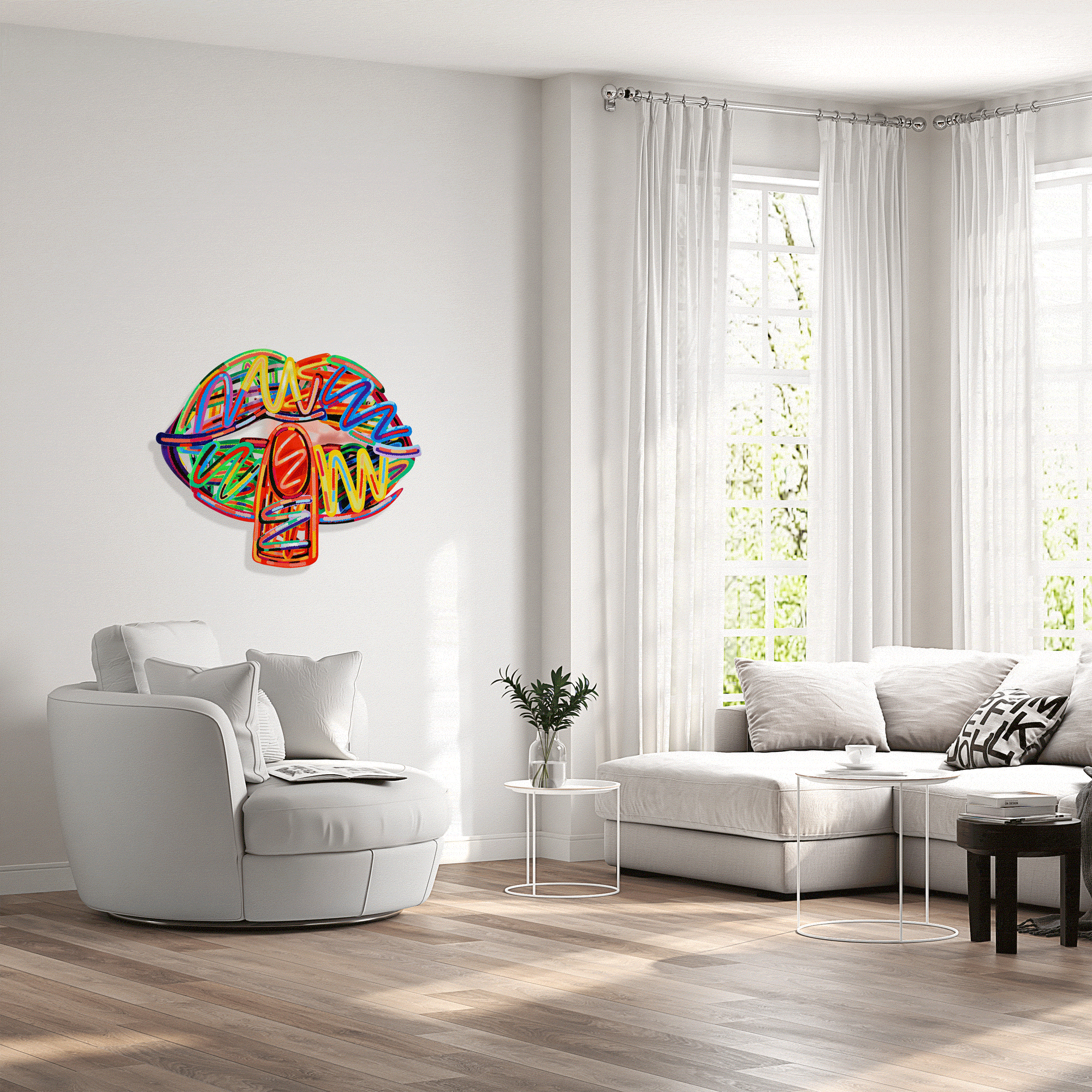


Imagine your walls telling stories that jump out at you, starting conversations before anyone speaks. This change from flat walls to dynamic visuals is a big deal in modern decor. Dimensional wall sculptures are more than just decorations; they blend art and design, bringing metal art into our homes.
Three-dimensional artwork breaks the old rules of sculpture and painting. It adds depth and movement to spaces, making them come alive. These pieces change with the light, casting shadows that move and tell stories all day long. They show how people want art that grabs their attention from all sides.
Today, people want art that does more than just look good. They want it to add to the room's feel. Big, dimensional wall sculptures turn empty walls into key features of a room. The touch and size of metal art make you want to get closer, while its size grabs your eye from far away. This new way of decorating walls makes our homes feel more alive.
Three-dimensional artwork does more than just look good; it touches our feelings. It interacts with its surroundings in ways flat art can't, changing with the light and how we see it. These pieces in our homes connect old art love with today's living, making art more for everyone.
Key Takeaways
- Dimensional wall sculptures transform flat surfaces into dynamic visual experiences that change with lighting and viewing angles
- Contemporary metal art serves dual purposes as both artistic expression and architectural enhancement in modern spaces
- Three-dimensional artwork creates conversation pieces that engage viewers through depth, shadow, and movement
- Large-scale installations define rooms and create focal points that command attention from any distance
- Modern home decor increasingly favors dimensional pieces that bridge fine art and everyday living
- Decorative wall installations offer tactile qualities that invite closer inspection and repeated viewing
Understanding the Appeal of Three-Dimensional Wall Sculptures
The modern art scene has changed a lot. Now, we see more three-dimensional sculptures than flat paintings. These sculptures make spaces come alive, engaging viewers in new ways.
People want art that does more than just look good. They want it to feel real and immersive. This is why three-dimensional art is so popular today.
The Evolution from Flat Art to Dynamic Installations
Art has moved beyond the canvas. Artists used to create depth with tricks, but now they build real layers. This change started in the mid-20th century with artists like Frank Stella.
Now, installations use many materials and planes. They create shadows and highlights that change with the light. This makes them come alive throughout the day.
How Layered Metal Art Creates Visual Depth
Layered metal art works because of how it's made. Artists cut aluminum into shapes and stack them. Each layer catches light in its own way.
This creates a play of colors and shadows. It turns one view into many, with each step revealing something new. The layers add visual depth that pulls you in.
The Psychology of Movement in Static Art Pieces
Our brains are always looking for movement, even in things that don't move. Wall sculptures use curves, diagonals, and overlaps to suggest action. This tricks our brain into seeing movement, adding energy to the art.
David Gerstein's Revolutionary Approach to Contemporary Metal Art
This contemporary Israeli artist has changed how we see metal art. His work turns metal into vibrant, moving pieces. David Gerstein's art captures motion in a way that seems to make the pieces dance.
His innovative methods have made him famous in museums worldwide. From Tel Aviv to New York, his work is celebrated. He is a true pioneer in modern art.
Multi-Layered Aluminum Techniques and Innovation
The multi-layered aluminum method gives his art amazing depth. Each piece is made from cut metal sheets stacked at different distances. This creates shadows that change with the light.
Each layer is cut with laser precision before being put together. This ensures the artwork comes to life perfectly.
Hand-Painted Details That Bring Life to Metal
Each hand-painted metal sculpture gets special care. Artists use top-quality paints that last for decades. They apply multiple coats to make the colors pop against the metal.
Blending Pop Art with Personal Storytelling
The pop art design in his work is full of life and color. Scenes of cyclists and butterflies add vibrancy to his art. These scenes are both universal and deeply personal.
His art turns everyday moments into celebrations of joy and movement. It connects with viewers on a deep level.
Choosing the Perfect Large 3D Wall Art for Your Space
Choosing wall art that changes your space needs careful thought. You must think about the art's beauty and how it fits in your room. Artists like David Gerstein offer a wide range of pieces to help you decide.
Start by measuring your wall and thinking about how far people will stand. Big pieces need space to look their best. Also, think about how light affects the art's shadows and depth. The size of the art and the room's size are key to making it work.
Good home decor planning mixes what you like with design rules. Think about these important points when picking wall art:
- Room function and daily traffic patterns
- Existing furniture styles and color palettes
- Desired focal points and visual flow
- Budget considerations for authentic pieces
- Installation requirements for metal sculptures
Your design choices should match your taste and practical needs. A colorful butterfly sculpture can brighten a simple living room. Abstract geometric art fits well in modern offices. Metal art is versatile, working in many styles, from industrial to traditional.
Popular Themes and Collections in Modern Dimensional Art
Today's three-dimensional wall art covers many creative areas. Each brings its own story to our homes. Artists like David Gerstein have pushed metal sculpture to new heights. They create pieces that reflect our experiences and the beauty of nature.
Urban Life and City Scenes
Modern art often focuses on city life. It shows cityscapes and street scenes in detailed metal art. These pieces capture the hustle and bustle of city living.
They feature scenes like cyclists riding through traffic and people walking on busy streets. Architectural silhouettes add to the dynamic feel. These art pieces speak to both city lovers and art enthusiasts.
Nature-Inspired Pieces: Birds, Butterflies, and Flowers
Nature-inspired sculptures bring the outdoors inside. Metal art pieces like butterfly sculptures show delicate wings in mid-flight. Bird sculptures capture their grace in aluminum.
Floral compositions bloom eternally on walls, their colors vibrant and lasting. These works mix industrial metal with natural beauty.
Dynamic Sports and Movement Collections
Sports art celebrates the beauty of movement. Runners, cyclists, and dancers are frozen in motion. Each piece captures a moment of athletic excellence.
These works turn kinetic energy into static art. They suggest movement even when they're not moving.
Jazz, Dancers, and Musical Expressions
Jazz art pieces vibrate with rhythm. They show musicians in action and instruments in abstract forms. These pieces blend visual art with sound, letting viewers almost hear the music.
They turn sound into sight through creative sculpting. This makes the art come alive.
| Collection Category | Number of Pieces | Primary Appeal |
|---|---|---|
| Urban Scenes | 37 | Metropolitan energy |
| Butterflies & Birds | 19 | Natural elegance |
| Sports & Movement | 32 | Athletic dynamism |
| Jazz & Dance | 17 | Rhythmic expression |
| Floral Designs | 18 | Botanical beauty |
Size, Scale, and Placement Considerations
Choosing the right size for three-dimensional wall art can make a big difference. It brings harmony and creates stunning focal points. The size of the artwork should match the room's proportions to avoid overwhelming it.
Measuring Your Wall Space for Maximum Impact
Start with precise measurements for an effective art scale guide. Know your wall's width and ceiling height. Designers suggest using 57% to 75% of the wall space for balance. A 10-foot wall looks great with art that's 6 to 8 feet wide.
| Wall Size | Recommended Art Width | Ideal Height Range |
|---|---|---|
| 8-10 feet | 48-72 inches | 24-36 inches |
| 10-12 feet | 72-96 inches | 36-48 inches |
| 12-15 feet | 96-120 inches | 48-60 inches |
For a sense of real scale, several of the studio’s largest wall sculptures sit at the upper end of that range: Nature Lover measures 200x120 cm (79x47 in), Queens of the Sky measures 194x104 cm (76x41 in), and Marathon - Berlin measures 180x143 cm (71x56 in).
Creating Focal Points in Living Rooms and Offices
In living rooms, place art above sofas or mantels for a focal point. Offices need art that's easy to see from desks and meeting areas. Art should be at eye level, between 57 and 60 inches from the floor.
Balancing Color and Movement with Existing Decor
Three-dimensional art adds dynamic energy with its shape and shadows. Use neutral backgrounds to let colorful metal sculptures stand out. Simple art works well with bold patterns.
The colors of furniture and art should match to tell a story in any space.
Investment Value and Pricing of Limited Edition Pieces
The world of limited edition art gives collectors a chance to own unique pieces. These pieces are not just beautiful; they also have a growing value in the art market. David Gerstein's wall sculptures are a perfect example, blending art with investment.
Each sculpture is a numbered masterpiece, with only 75 to 150 pieces made worldwide. This limited number makes them rare and valuable. The prices reflect this, ranging from $2,700 for smaller works to $17,000 for larger ones. This makes Gerstein's art accessible yet prestigious.
The value of these pieces goes beyond their initial cost. As more pieces are sold, the remaining ones often increase in value. Those who bought Gerstein's earlier works have seen their value grow, making them even more valuable.
Proving the authenticity of art is key to its value. Each piece comes with official documents that confirm its edition and authenticity. This ensures that collectors own genuine pieces from Gerstein's studio. The mix of art quality, limited availability, and documentation makes these sculptures a great choice for any art collection.
Installation and Display Techniques for Metal Wall Sculptures
Proper art installation methods turn metal wall sculptures into stunning focal points. The right wall mounting techniques ensure safety and visual appeal. Thoughtful display strategies help create professional gallery-style presentations in any space.
Professional Mounting Methods for Heavy Pieces
Large metal sculptures need special wall mounting techniques based on weight and wall type. French cleats are great for pieces over 50 pounds, spreading the weight evenly. For lighter aluminum works under 30 pounds, D-rings with wall anchors work well.
Professional installers suggest using toggle bolts for drywall and masonry screws for brick or concrete walls.
Lighting Strategies to Enhance Dimensional Effects
Gallery lighting is key to showing off the layers and colors of three-dimensional metal art. Track lighting at 30-degree angles creates dramatic shadows that highlight depth. LED spotlights with adjustable warmth settings show off hand-painted details without glare.
Natural daylight from windows can complement artificial lighting during daytime hours, creating dynamic visual changes throughout the day.
Grouping Multiple Works for Gallery-Style Displays
Sculpture grouping needs careful planning for balanced compositions. Start with the largest piece as an anchor, then arrange smaller works at varying heights around it. Keep 4-6 inches between pieces for space.
Display strategies that work well include creating horizontal lines for modern spaces or asymmetrical arrangements for dynamic visual interest.
Caring for and Maintaining Your Three-Dimensional Artwork
Proper care turns your metal sculptures into lasting treasures. These vibrant aluminum pieces need special care to keep their paint and details intact. With the right care, your artwork will shine brightly for many years.
Cleaning wall sculptures gently is key. Use a soft microfiber cloth to remove dust without damage. For deeper cleaning, mix distilled water with a bit of mild dish soap. Never use harsh chemicals or abrasive materials that can harm the surface or fade colors.
| Maintenance Task | Frequency | Tools Needed | Time Required |
|---|---|---|---|
| Light Dusting | Weekly | Microfiber cloth | 2-3 minutes |
| Deep Cleaning | Quarterly | Soft cloth, distilled water | 10-15 minutes |
| Inspection Check | Monthly | Visual examination | 5 minutes |
| Professional Assessment | Annually | Expert consultation | 30 minutes |
Keeping your artwork in good condition depends on its environment. Place pieces away from direct sunlight to avoid color fading. Keep humidity levels between 40-60% to prevent metal damage. Avoid extreme temperatures to prevent metal from expanding and contracting. These steps help keep your artwork looking great for years.
How to Purchase Authentic Gerstein Studio Pieces
Buying real David Gerstein art needs careful steps and the right places to buy. The studio checks each piece to avoid fake art. Every real art piece comes with papers that prove it's genuine.
Direct Studio Contact at +972506689640 for Immediate Assistance
For quick Gerstein art purchases, call the studio. The team speaks English, Hebrew, French, and Spanish. They give you the latest on what's available and prices.
They send photos and sizes to help you see how it fits. They also talk about shipping, including customs and insurance.
Using the Online Form at gerstein-studio.com/pages/contact
The online form is great for those in different time zones. It asks about your space and what you like. You usually hear back in 24 to 48 hours with good suggestions.
They consider your space and suggest art that fits well with what you already have.
Understanding Edition Numbers and Certificates of Authenticity
Every art piece comes with proof of its realness. The edition number shows where it is in a limited series.
| Edition Type | Typical Run Size | Certificate Details |
|---|---|---|
| Limited Edition Sculptures | 150-350 pieces | Signed certificate with edition number |
| Artist Proofs | 10-15% of edition | Marked A.P. with unique numbering |
| Special Collections | 50-100 pieces | Gallery stamp and artist signature |
Conclusion
Large 3D wall art is a thrilling choice for today's homes. It turns regular rooms into lively, dynamic places. Moving from flat paintings to three-dimensional art changes how we see art in our spaces.
These pieces do more than just look good. They spark conversations, highlight areas, and add life to walls. David Gerstein's aluminum sculptures are a great example. His art can be found in places like Singapore, New York, London, and Seoul.
Buying 3D wall art is more than just a style choice. It's a smart investment that adds color, movement, and depth to your life. With the right installation and lighting, your art can make a big statement. Three-dimensional metal sculptures fit well in many spaces, showing that modern art can be both beautiful and accessible.
FAQ
What makes David Gerstein's large 3D wall art different from traditional flat artwork?
David Gerstein's art is made of multi-layered aluminum. It has cutout designs that show movement and emotion. Unlike flat art, these pieces turn walls into dynamic displays.
Each layer adds to the color and form. This creates a unique visual experience that captures life's moments.
How do I choose the right size 3D wall art for my living room or office space?
The Gerstein Studio team helps you choose the right art. They send pictures and dimensions to help you see how it fits.
They consider your wall space, decor, and room size. This ensures the art looks great in your space.
What themes and collections are available in the current inventory?
The current collection has 128 pieces. It includes Urban scenes, Bicycle Riders, Flowers, Sports, Dancers, and Jazz.
There are also Brush Strokes, Graffiti Style, Hearts, Lips & Kisses, and nature-inspired art. This offers many choices for different tastes and designs.
What is the price range for limited edition David Gerstein sculptures?
Prices range from $2,700 to $17,000. Each piece is part of a limited edition, numbered from 75 to 150.
These artworks are valuable and enhance any space. They are shown in galleries and museums worldwide.
How should I install and display heavy metal wall sculptures?
Professional installation is key for these heavy pieces. It ensures they look great and are securely mounted.
Lighting can make the colors pop. Grouping pieces can create a gallery-like display. The studio offers advice on mounting and lighting.
What maintenance is required for hand-painted aluminum artwork?
Regular, gentle cleaning keeps the colors bright and the structure strong. The studio gives specific care tips for each piece.
This care ensures the art remains vibrant and fresh. It's important for maintaining the artwork's beauty.
How can I verify the authenticity of a David Gerstein piece?
Each piece comes with a certificate of authenticity. This confirms it's a genuine David Gerstein artwork.
Buying from the studio or online comes with full documentation. This proves the artwork's value and origin.
What international shipping options are available for overseas buyers?
The team handles international shipping. They discuss shipping, insurance, and customs with you.
They ensure your artwork arrives safely, no matter where you are. Contact them for shipping details and quotes.
Can I request custom pieces or specific color combinations?
While designs are limited, the studio can help find matching pieces. They consider your space and style preferences.
They offer suggestions from the current collection. This helps find the perfect art for your space.
How quickly can I expect a response when contacting the studio?
Call +972506689640 for immediate help during business hours. Online inquiries get a response in 24-48 hours.
The team works across time zones. They provide detailed information on availability, pricing, and how the art will look in your space.
Ready to bring a David Gerstein piece into your space? Contact the studio for inquiries and commissions.