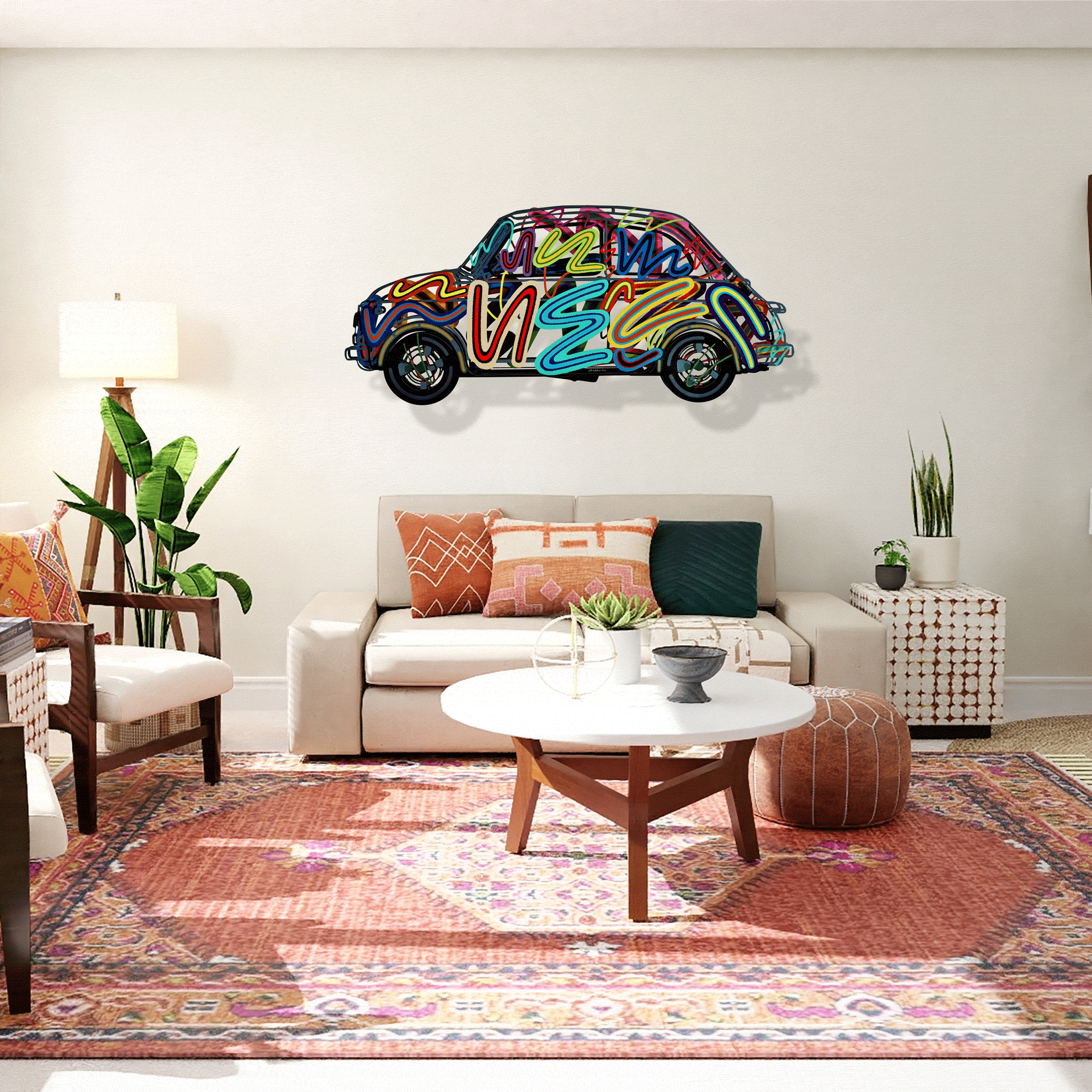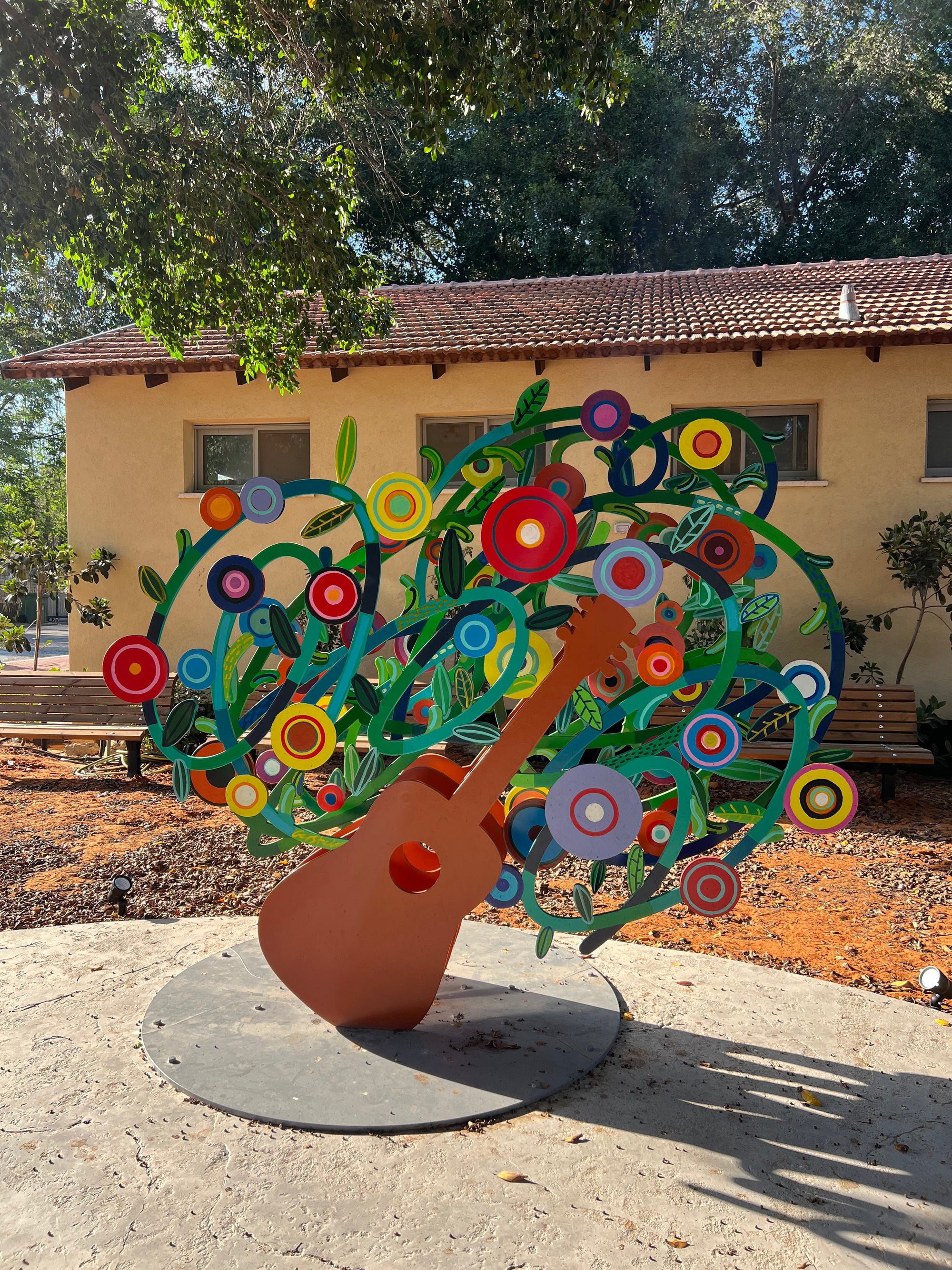


What happens when metal sculpture breaks free from its usual black and white? David Gerstein shows us by turning steel and aluminum into vibrant life celebrations.
This international artist has changed what metal art can be. His colorful, layered sculptures burst with energy. They show us everyday moments in a new light. Each piece uses color theory in a way that's both complex and fun, reaching people from all walks of life.
Gerstein's art is known worldwide. It's in top museums like the Museum of Modern Art in New York and the Tel Aviv Museum of Art. His big installations light up city squares in Singapore, London, and Tel Aviv. People and places all over want his unique blend of pop art and metalwork.
Gerstein's style is all about combining laser-cut metal with hand-painted details. This mix creates a sense of movement and depth. His art makes butterflies seem to fly, cyclists pedal, and jazz musicians play, all thanks to color and layering.
Key Takeaways
- David Gerstein transforms traditional metal sculpture through innovative use of vibrant, hand-painted colors.
- His works combine sophisticated color theory with accessible pop art aesthetics.
- Multi-layered metal techniques create dynamic movement and depth in static form.
- Major museums and galleries worldwide showcase his contemporary metal sculptures.
- Public installations in cities like Singapore, London, and Tel Aviv demonstrate global appeal.
- His art captures everyday subjects through bold color choices that resonate across cultures.
The Revolutionary Impact of Vibrant Art in Contemporary Metal Sculpture
David Gerstein leads in contemporary art by turning metal sculpture into vibrant color celebrations. He uses cut aluminum sheets to make wall sculptures that seem alive. These pieces burst with color and energy, as if they're about to jump off the wall.
Gerstein's art brings new life to metal sculpture with its bold colors. His work shows scenes like cyclists racing, butterflies flying, and musicians playing. These scenes are painted in bright, moving colors, unlike the usual gray or black of metal art.
Gerstein's unique pieces make fine art both easy to get and deeply touching. His work varies from small to big, all with the same playful vibe. This shows how art can be both accessible and emotionally powerful.
These special artworks open a world where metal is like canvas and color is emotion. Gerstein shows that modern sculpture can be as joyful as finding beauty in everyday moments.
David Gerstein's Color Theory Philosophy and Artistic Vision
David Gerstein changes the metal sculpture world with his color theory approach. He captures life's bright moments, making everyday scenes joyful. His international art uses bold colors on aluminum, full of energy.
My art mostly deals with the joys and pleasures of life, Gerstein says. I want my works to pass along the feeling of exuberance and delight. This belief guides his art, from start to finish.
From Traditional Metal to Vibrant Masterpieces
Gerstein's work changed metal sculpture. Traditional metal art focused on form and texture, not color. He painted aluminum sheets with true color, adding depth.
Each piece goes through cutting, shaping, and painting. This makes his sculptures seem alive.
The Artist's Approach to Creating Joyful Visual Experiences
Gerstein's art aims to connect with people emotionally. He uses color pop to place hues in a way that grabs attention. Butterflies and jazz musicians are painted in bright colors.
Urban scenes show sunset colors meeting twilight, telling stories that touch viewers' memories and dreams.
Transforming Everyday Subjects Through Bold Color Choices
Bicycle riders become moving color studies. Birds become flying prisms of color. Dancers trail colorful ribbons as they leap.
Gerstein turns simple subjects into amazing visual experiences. He uses bold colors to celebrate life's joys.
How Complementary Colors Create Movement in Static Metal Forms
David Gerstein's metal sculptures move through clever use of complementary colors. His aluminum cutouts turn flat into dynamic scenes. Orange clashes with blue, and red meets green. This makes metal seem alive, moving on gallery walls.
The Role of Primary Colors in Establishing Visual Rhythm
Primary colors are the pulse in Gerstein's work. Red, blue, and yellow pop up at key moments, guiding our eyes. In his Bicycle Riders series, cyclists in bold colors seem to ride across walls. Their placement sets a rhythm, like music.
Layered Metal Techniques That Enhance Color Interaction
The artist's layering technique makes colors mix in new ways. Each aluminum sheet is layered, allowing colors to blend through gaps. This creates a three-dimensional effect, where a single sculpture can show:
-
Purple shadows where red overlaps blue layers.
-
Orange glows between the yellow and red sections.
-
Green harmonies emerging from blue and yellow intersections.
Shadow Play and Spatial Dynamics Through Color Placement
Natural light changes these sculptures all day. Morning sun highlights yellow and orange, while afternoon light brings out blues and greens. Shadows move, making colors seem to shift. This makes the sculptures come alive, reacting to their surroundings.
The Emotional Language of True Color in Gerstein's Collections
David Gerstein's work is more than just pretty pictures. It uses true color to speak to our feelings and memories. He knows how to use colors to connect us to his art.
In his Graffiti Style series, Gerstein uses bright oranges and neon greens. These colors capture the energy and spirit of the city. His Viva La Femme collection, on the other hand, celebrates women with deep purples and warm corals. Each piece shows how colors can directly touch our emotions.
The Lips & Kisses series is all about fun, with cherry reds and pinks that make us think of love. Gerstein adds turquoise to keep things fresh. His Sketch Based works mix earthy tones with sudden pops of blue or yellow. This mix creates stories that surprise and delight.
Gerstein's limited edition pieces stay true to their emotional impact. Each one, from the first to the hundredth, has the same vibrant feel. This ensures that every piece brings the same joy and emotion to its owner.
Modern Color Applications Across Iconic Series and Themes
David Gerstein's work shows his skill in using modern color in many themes. Each series has its own color strategy, making subjects pop with color. His art turns everyday scenes into amazing visuals that connect with today's viewers.
Butterflies as Celebrations of Life Through Vivid Palettes
The Butterfly Collection has twelve pieces that show nature's colors in metal sculpture. Each butterfly has gradient transitions from deep purples to electric oranges. This creates wing patterns that seem to move, even though they're not.
The colors used are not just natural; they include metallic blues and hot pinks. These colors celebrate life's energy. The sculptures use layered metal techniques for each wing segment, creating depth that changes with the view.
Urban Scenes Brought to Life with Contemporary Color Combinations
Gerstein's urban pieces capture city life with color. Street scenes are filled with yellows and reds for taxis and stores. Pedestrians are in blues and greens, creating a visual flow through the city.
Buildings have gradient colors, from warm to cool, suggesting both stability and dreams. This color design makes the city feel alive.
From Bicycle Riders to Jazz Musicians: Capturing Motion
Movement is key in the Bicycle Riders and Jazz collections. Cyclists start in cool blues and end in warm oranges, showing speed. Jazz musicians have colors that match the rhythm, with brass in golds and silvers and performers in deep colors.
Light Interaction and Color Luminosity on Hand-Painted Aluminum
David Gerstein's hand-painted aluminum sculptures show amazing light effects. They turn metal into a canvas that comes alive with light. The artist's choice of aluminum creates a special bond between surface, paint, and light.
Each piece reacts to its surroundings in ways other materials can't. This makes Gerstein's sculptures truly stand out in the world of art.
How Natural Light Transforms Colors Throughout the Day
The way sunlight interacts with painted aluminum is truly captivating. It's like a dynamic visual symphony that changes from morning to evening. Morning light adds warm tones to Gerstein's colors.
At midday, the sun makes colors pop even more. Blues seem electric and greens pulse with energy. Evening light softens the edges, creating gentle gradients.
The Unique Brilliance of Paint on Metal Surfaces
Aluminum's reflective nature enhances paint pigments in amazing ways. The metal acts as a light source, reflecting light through the paint. This makes colors seem to vibrate against each other.
Red butterflies appear to flutter against green backgrounds. Blue cyclists seem to race through orange cityscapes. It's a truly magical effect.
Creating Depth Through Multi-Layered Color Applications
Gerstein's layering technique creates rich color stories. Each aluminum cutout casts colored shadows on layers behind it. This shadow play adds depth to the sculpture.
The artist places complementary colors at different depths for maximum impact. Front layers might have warm yellows, while deeper layers show cool purples. This creates an optical effect that brings the metal to life.
Conclusion
David Gerstein is a master of color theory in contemporary metal sculpture. He turns flat aluminum sheets into vibrant art that seems alive. Each layer he paints adds depth and movement, making metal seem dynamic.
His work shows how art can connect galleries and public spaces. Gerstein's art, from fluttering butterflies to jazz musicians, captures motion with color. The colors change with the light, creating a constantly new experience for viewers.
Gerstein's sculptures are recognized in museums worldwide, from Tel Aviv to New York City. He uses primary colors and layered techniques to create instantly recognizable art. His work brings joy to both art lovers and casual viewers, using color as a universal language.
FAQ
What makes David Gerstein's use of color in metal sculpture unique?
David Gerstein changes metal sculpture with his bright art techniques. He uses hand-painted, multi-layered aluminum for depth and movement. His colors interact in space, creating dynamic shadows.Unlike traditional metal art, Gerstein's work glows and changes with the light. This makes his pieces feel alive with energy and motion.
How does Gerstein apply complementary colors to create movement in static forms?
Gerstein uses complementary colors to add rhythm and motion to his sculptures. He places colors from the color wheel in special ways across his pieces. This makes the eye move as it sees the colors.His colors, like reds and greens, yellows and purples, make the sculptures seem to move. This turns static aluminum into dynamic art that appears to jump off the wall.
What is the price range for David Gerstein's limited edition artworks?
Gerstein's wall sculptures cost between $2,700 and $17,000. Each piece is part of a limited edition, with 75 to 150 pieces made. The price reflects the art's quality and Gerstein's fame.His work is known worldwide, with pieces in top collections. The price shows the art's value and the artist's skill.
How many different thematic collections has Gerstein created?
Gerstein has made over 128 wall sculptures in various themes. He has collections like Bicycle Riders, Butterflies, and Urban scenes. Each collection has its own colors and mood .He also has series like Birds, Brush Strokes, and Hearts. Each piece shows his modern color use and captures the essence of its subject.
Where can you find Gerstein's large-scale public sculptures?
Gerstein's big sculptures are in cities like Singapore, London, and Tel Aviv. They add color and energy to urban spaces. His work is also in galleries and museums worldwide.His pieces are in the top collections, showing his impact on art.
What philosophy drives Gerstein's colorful artistic approach?
Gerstein celebrates life's joys through his art. He wants his work to share happiness and joy. His bold colors and playful designs turn everyday subjects into celebrations of life.His art shows that art can be both deep and fun. It offers a colorful escape into a world of emotions and color.
How does the aluminum substrate affect color appearance in Gerstein's work?
Gerstein's aluminum surface makes colors glow with an electric quality. This is different from canvas painting. The metal makes colors appear to shine from within.The multi-layered construction adds to this effect. It creates complex color interactions that change with light and view.
Ready to bring a David Gerstein piece into your space? Contact the studio for inquiries and commissions.